Bosnia & Herzegovina
Buzzing and Hollering in B&H
After a lengthy bus ride we arrive to Mostar in grey skies and heavy rain, an omen of the oppression and bleak reality of the town and nations past, a history that's spattered everywhere you look. As we drive in Hannah wonders aloud about the pockmarked walls and whether they are the result of shrapnel and gunfire - they are. Coming in to B&H I knew a bit about the war that happened in the 90s, primarily that it was exceptionally nasty, but nothing really prepared me for the brutality that happened here. It’s just another critical part of global history that we aren't taught in Australia, despite having prominent Serbian and Croatian diasporas at home. The longer our trip goes the more I ponder how isolated Australia is, and how we are so far from the events that have shaped and continue to shape the modern world. And broadly speaking I feel there's a real knowledge deficit amongst Australians compared to Europeans regarding global geopolitics, and their grasp on the movements and currents that define global events. I've enjoyed connecting the dots and filling in the blanks while here, it's incredibly fascinating to stand in the places of former empires, blocs, dictator-led nations, and current political flashpoints. Take Bosnia for example, given their extremely complex and divided political system it's a country that I'm not confident will exists as it currently does in ten years. The government here is absurdly complex, it's a country with three presidents, one each representing Bosnia, Croatia and Serbia, it comprises three self-governed regions all with different administrations, laws and police, and finally one overarching, externally-appointed High Representative (currently from Germany), who's job is to effectively oversee the government and make sure it’s all hunky dory (it’s not). All this within the context of a country where schools, theatres, neighbourhoods and more are still heavily segregated, where Bosnia’s border pals of Serbia and Croatia either won't acknowledge the scale of what happened, or in Serbia's case, outright deny they ever did anything wrong and where convicted war criminals are seen as national heroes and harboured by their governments - it doesn't fill you with confidence for the future of the nation.
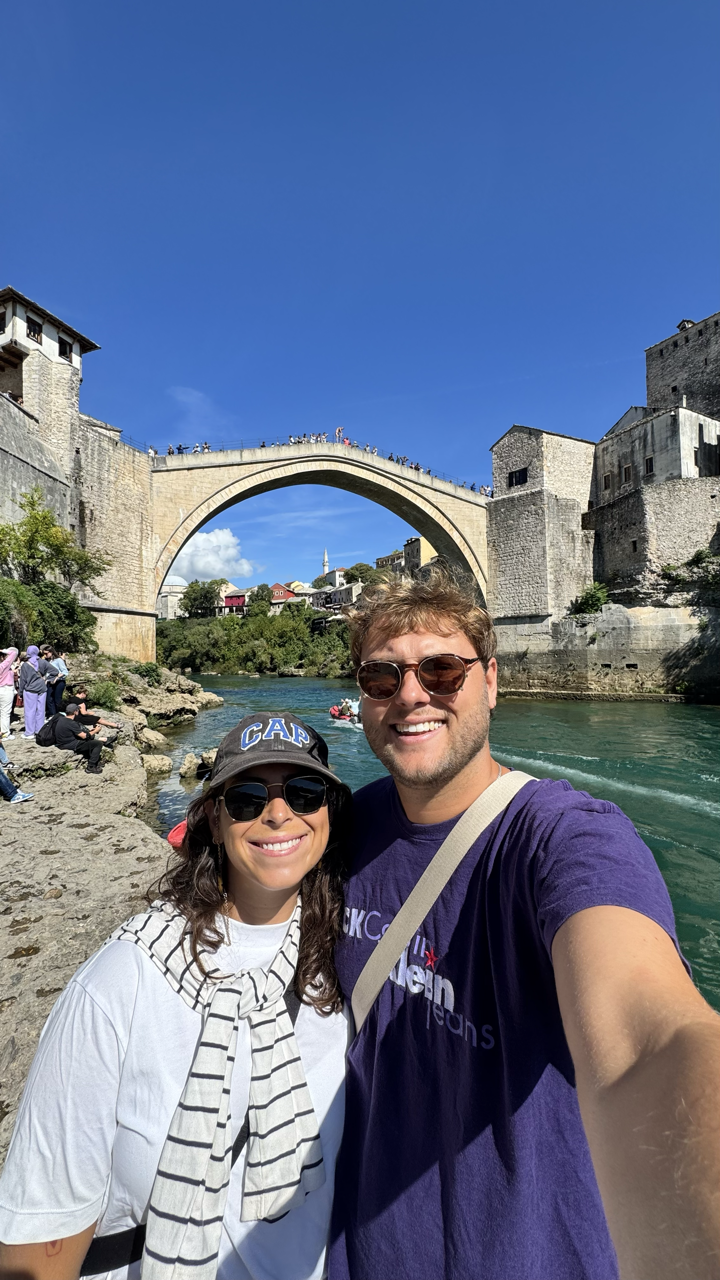
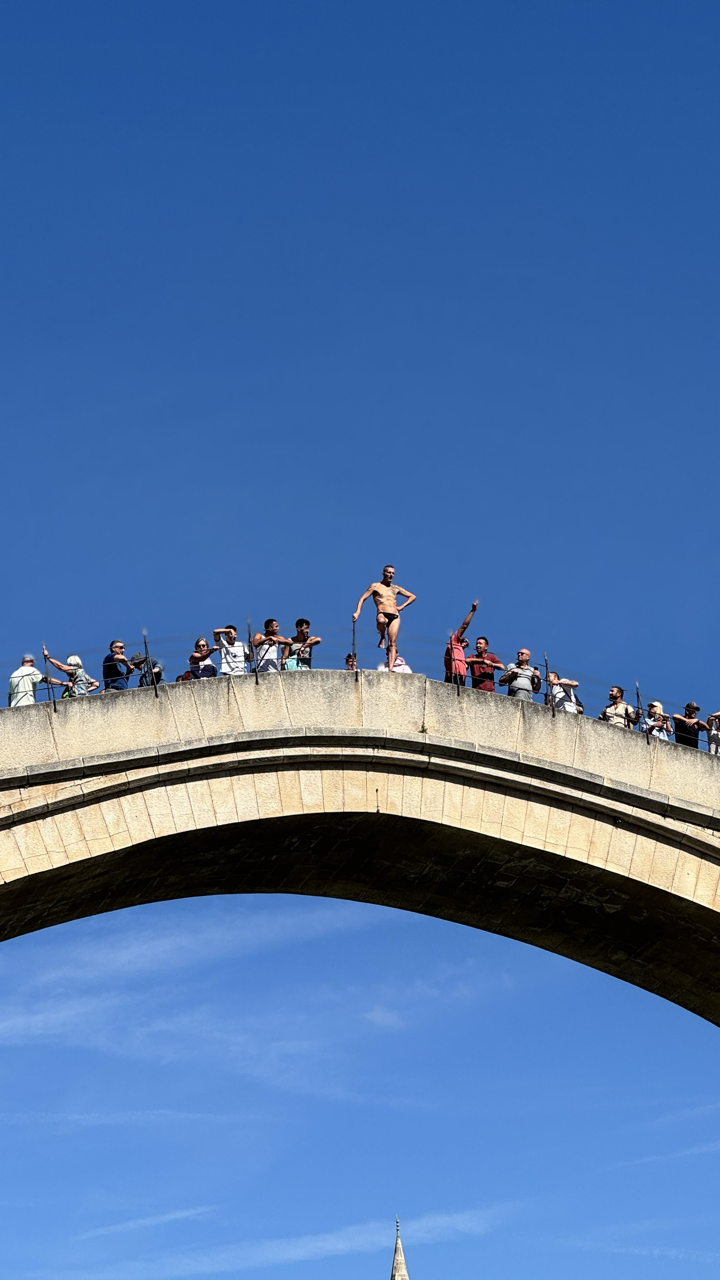
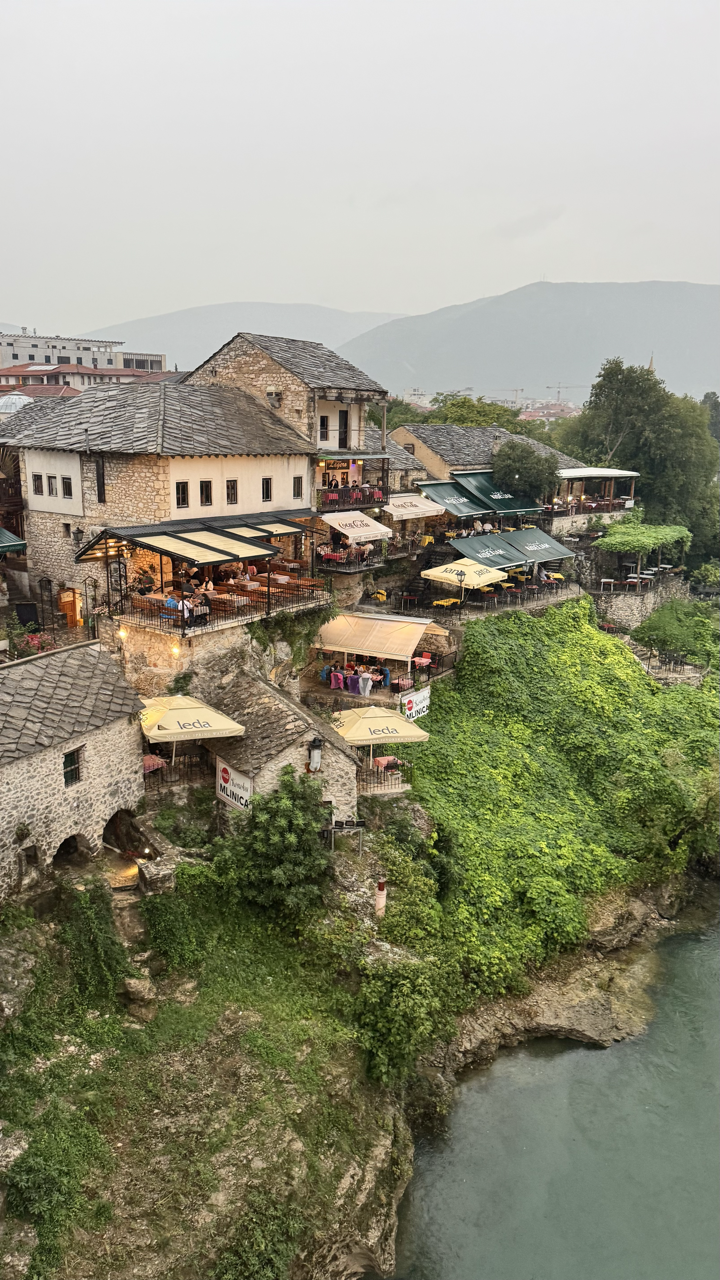
On a brighter note, Mostar is a lovely place! Famous for its Ottoman old town, the cobblestone streets worm their way around the banks of the Neretva river with the iconic stone bridges connecting it all together. The most iconic bridge, the 16th Century Stari Most, is where diving legends are born and lives are lost. It’s said that the bed of the Neretva contains a vast network of underwater tunnels and caves, with ice cold water and vicious suctioning currents, many hopeful divers have entered the water from 24m to make their fatal splash, never to be seen again - sucked down into the abyss. Spooky stuff! Suffice to say, we didn’t participate. Sadly the bridge is a restoration as the original 1500’s bridge was destroyed during the war, there’s footage in the museum of Croatian forces taking immense joy in destroying it, it’s heartbreaking to watch, just another casualty of this dark period.
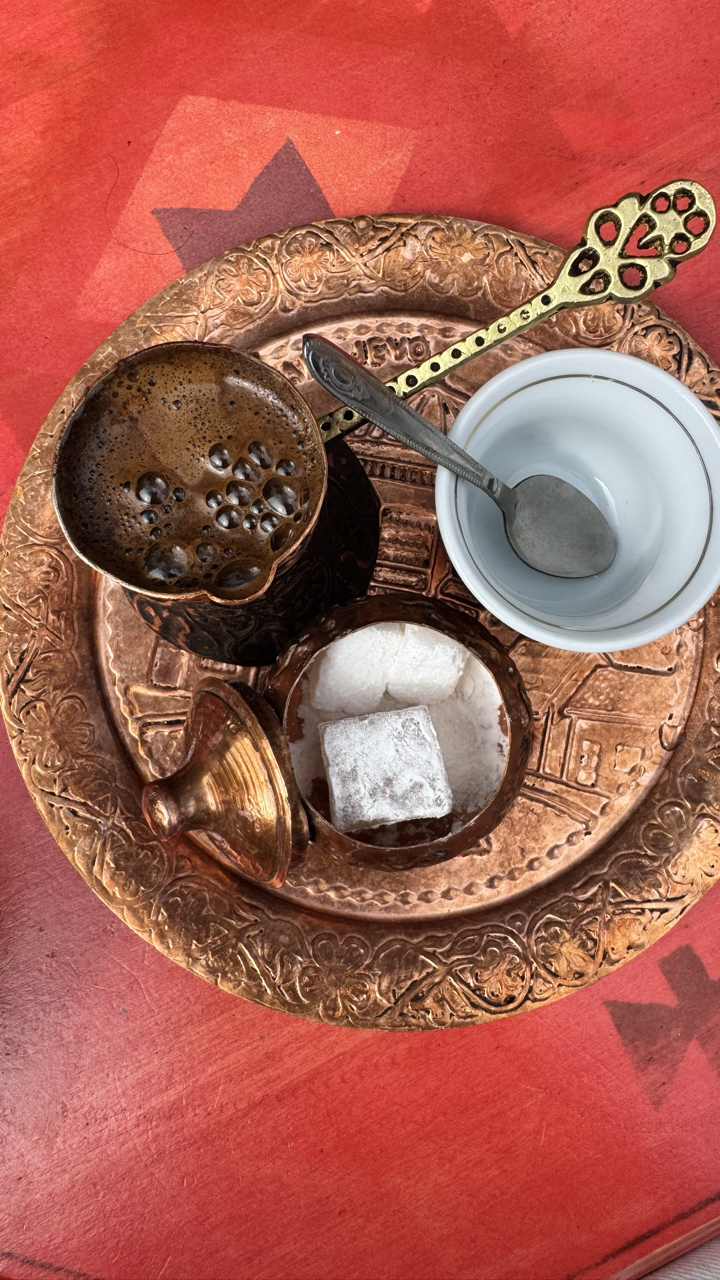
Bosnia and Herzegovina is actually split into two regions that comprise, you guessed it, Herzegovina in the South and Bosnia in the North. Herzegovina has a much more Mediterranean feel to it, both in climate and culture - they also have a rapidly growing wine tourism sector. By comparison, and coming from the moderate temperament of Adelaide, Bosnia seems arctic. There is plenty to keep you warm here though, cheese filled Burek’s, salty, right Cevapi, volcanic Bosnian coffee and cakes with so much sugar that you can’t even feel your toes least of all the wind chill. Given their history the folks here are a little on the cooler side. We had some great conversations with our guides, host and a lady in a jewellery shop who wanted to come to Aus to try Vegemite, it just takes some time to get them warmed up.
The train to Sarajevo was a wild ride, there are no reserved seats, not enough seats for all travellers and no clues as to which platform the train will pull into. We all wait with bated breath for the conductor to signal the correct platform, his finger is pointing and we all dash and muscle to get to a spot at the front. Hannah and I have all of our ridiculous luggage and are paranoid we won’t find a spot to put it, so we’re eager to get on first. Alas, the train bolts right past us and stops 100m up the platform, I think we’re about the last two on, and end up with a crude spot against a window in an empty car - it’s only two hours, and there are lovely views after all.
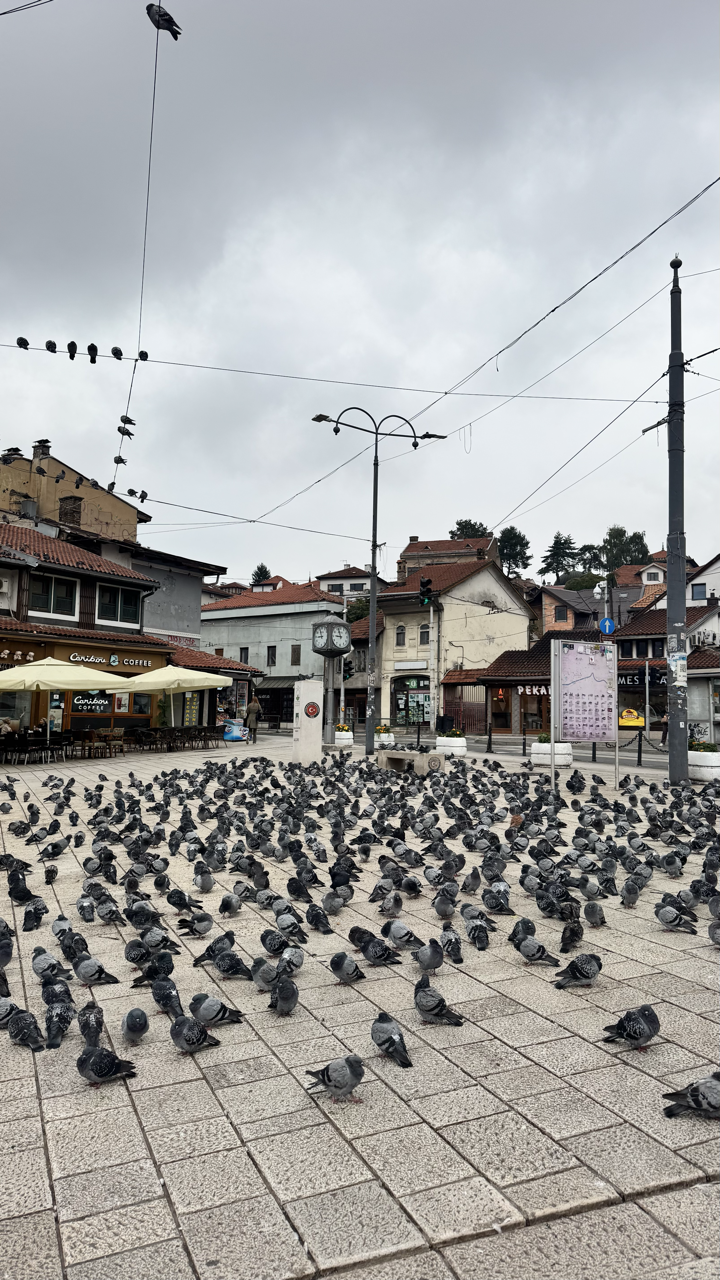
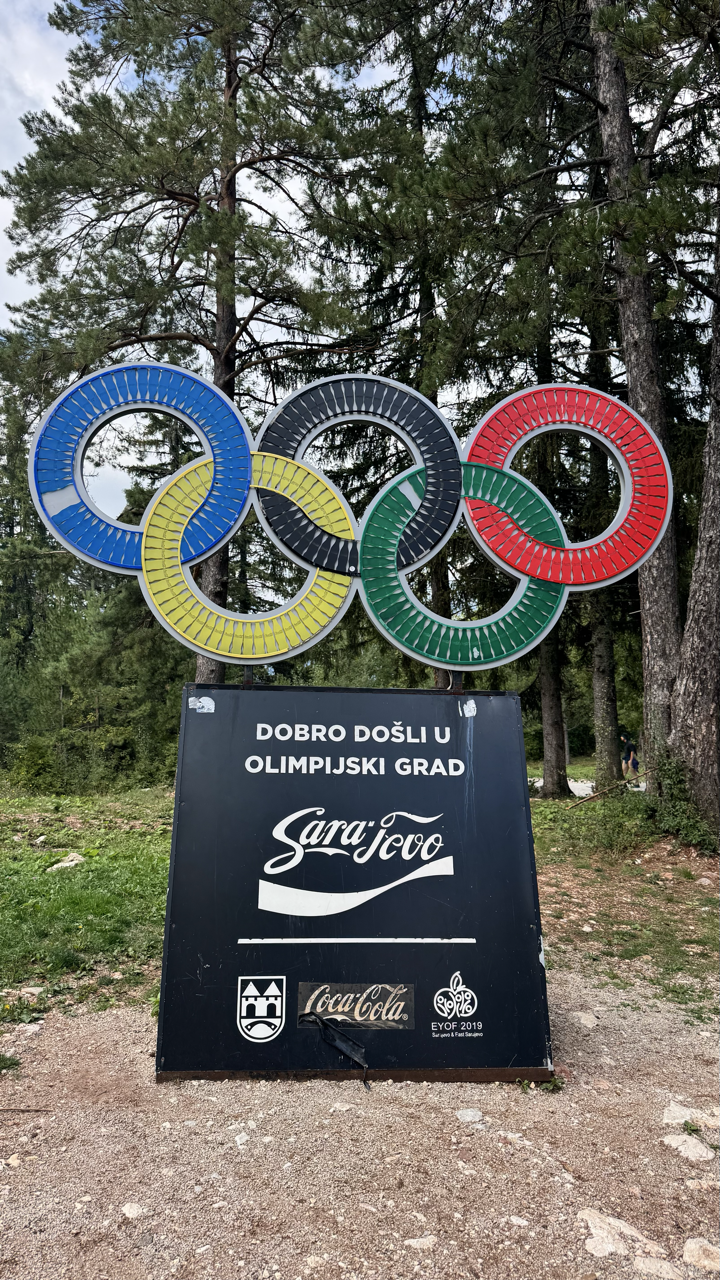
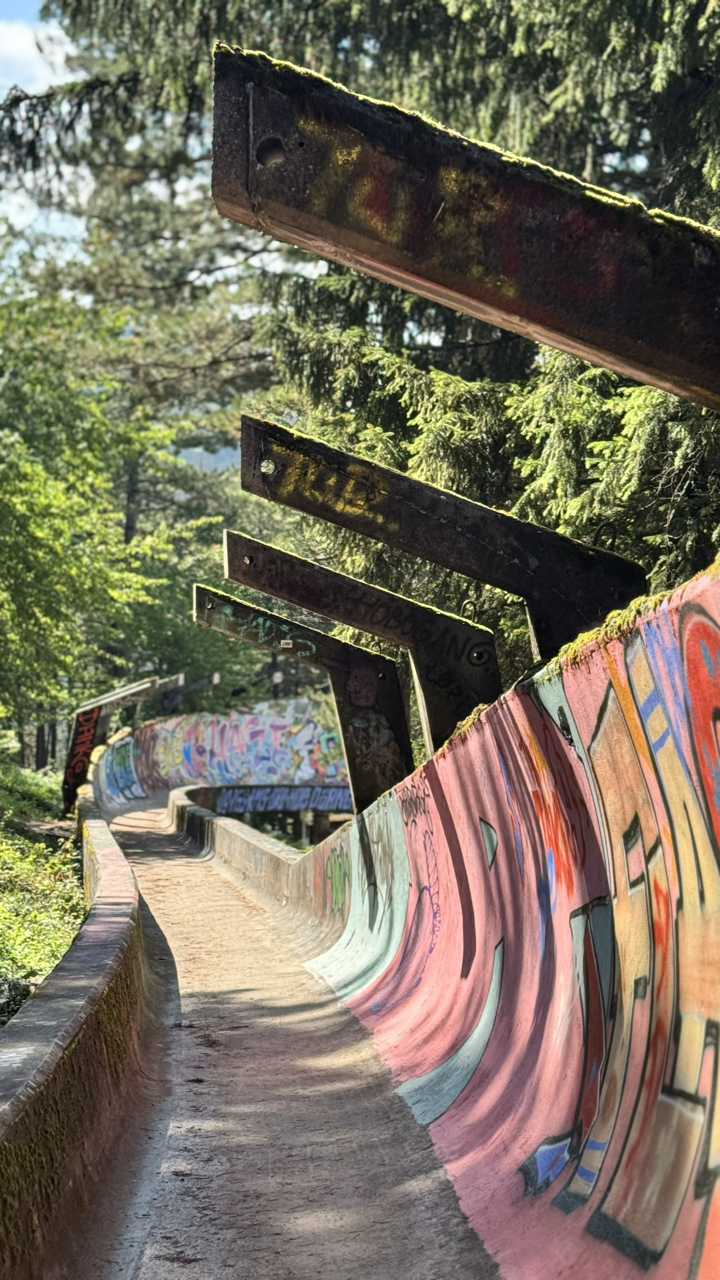
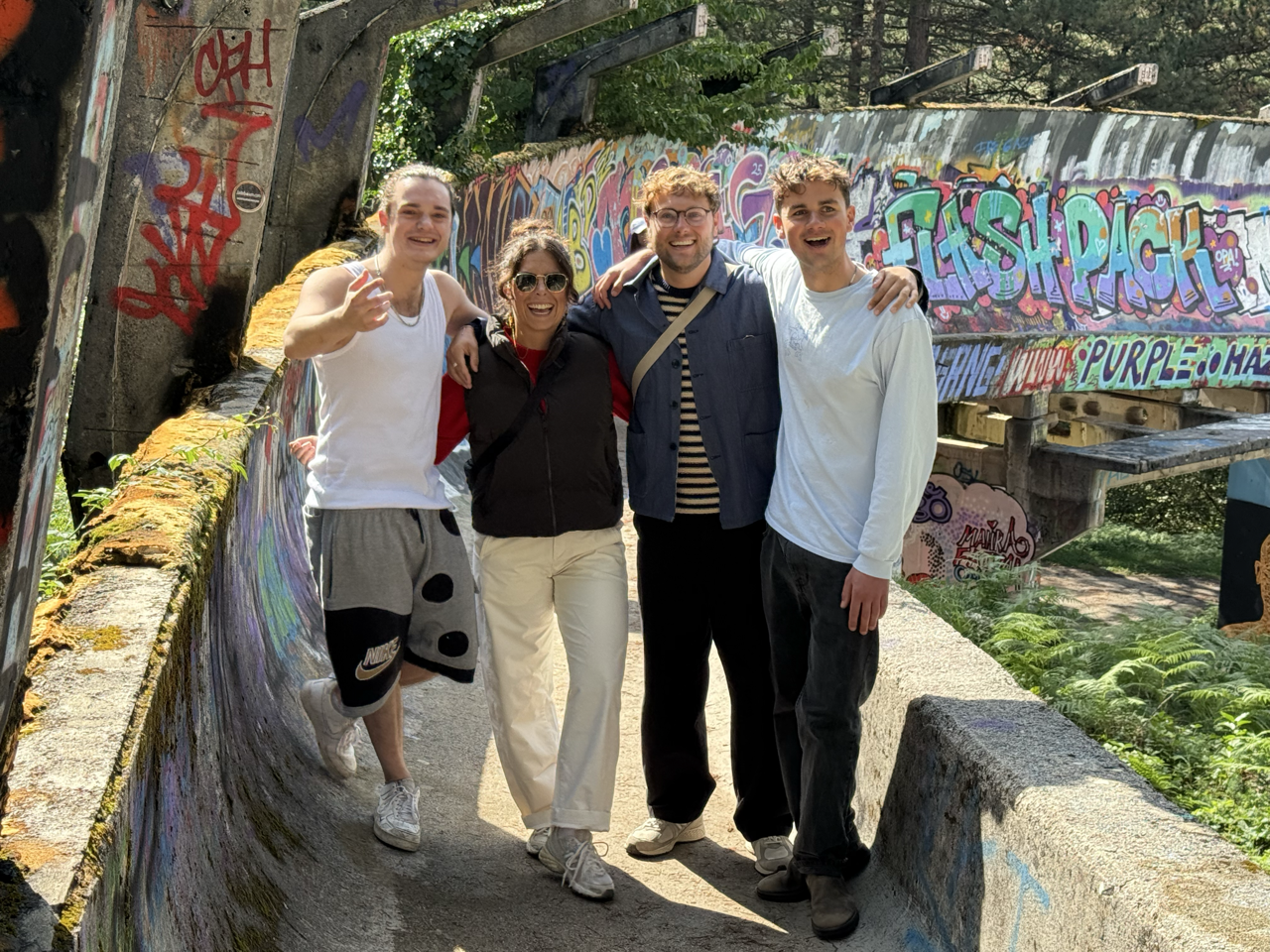
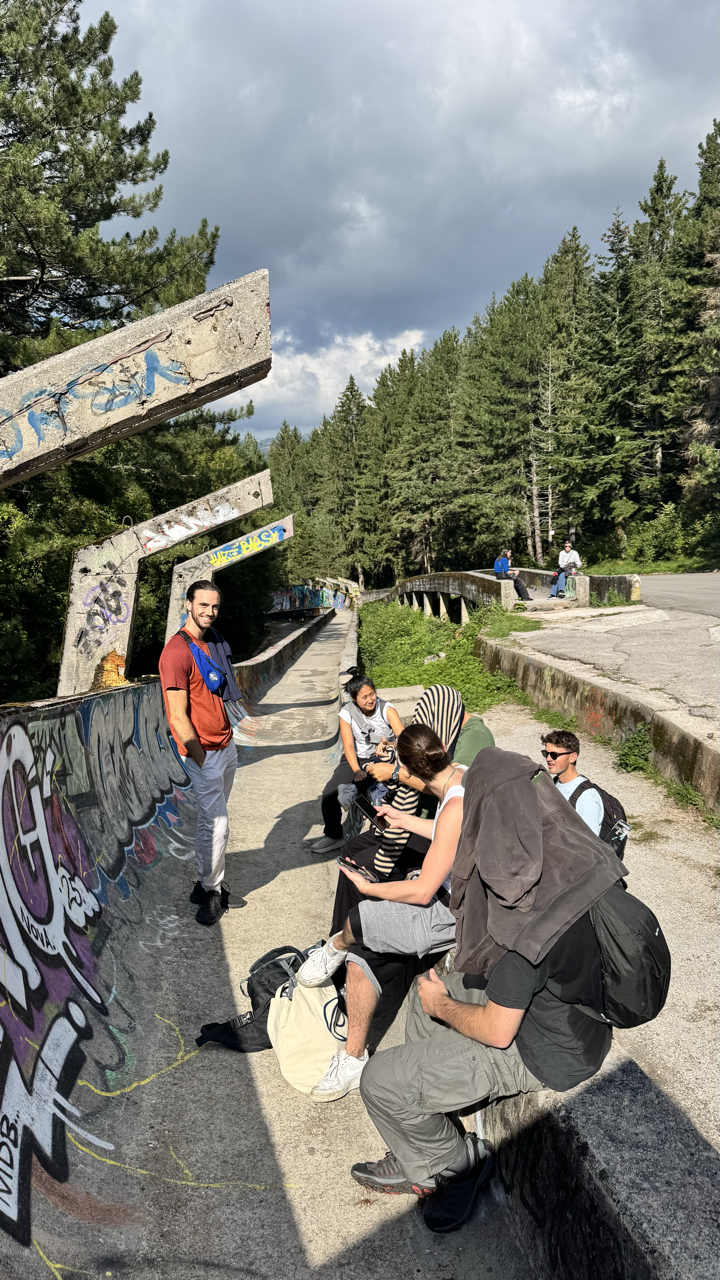
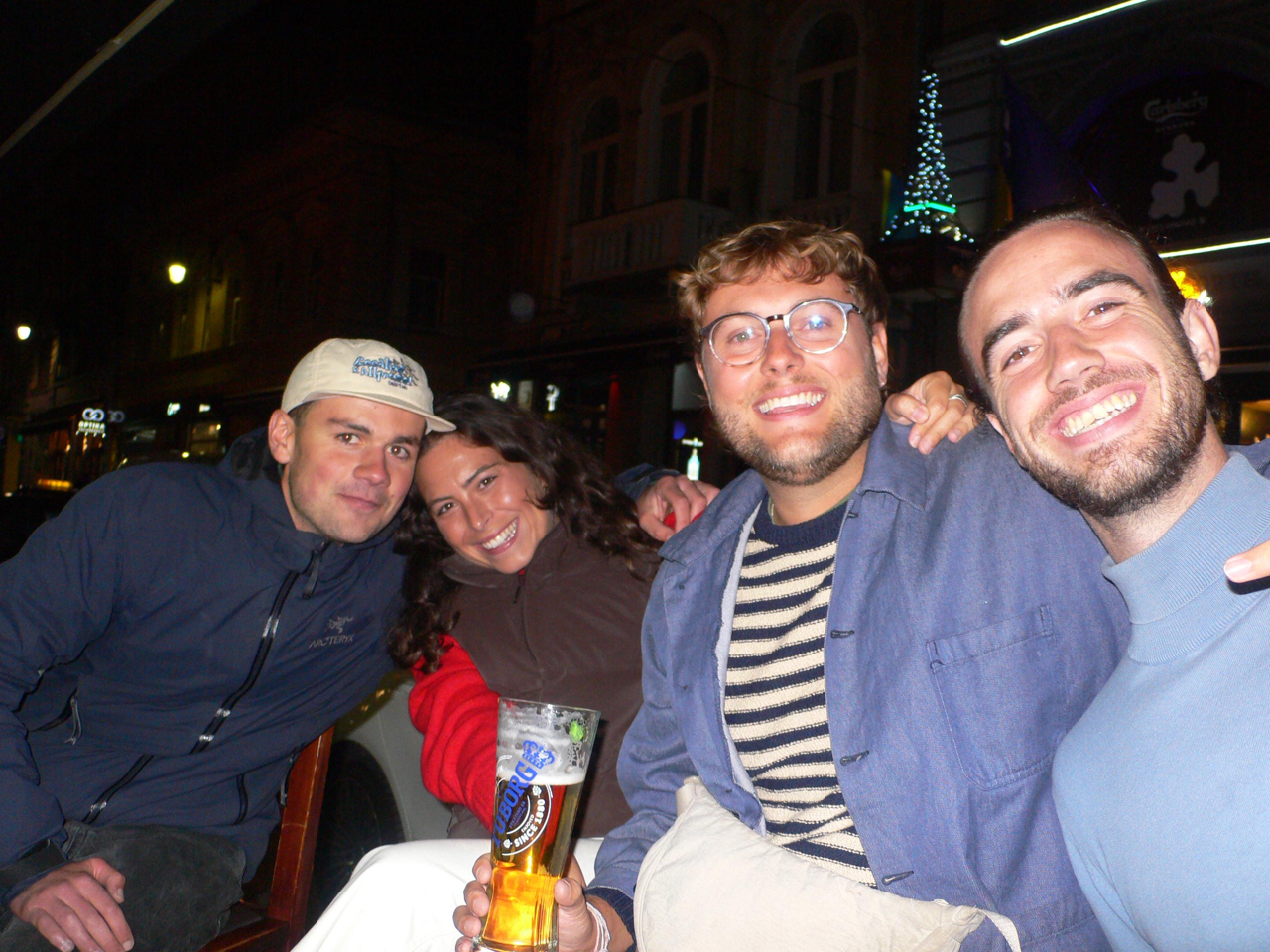
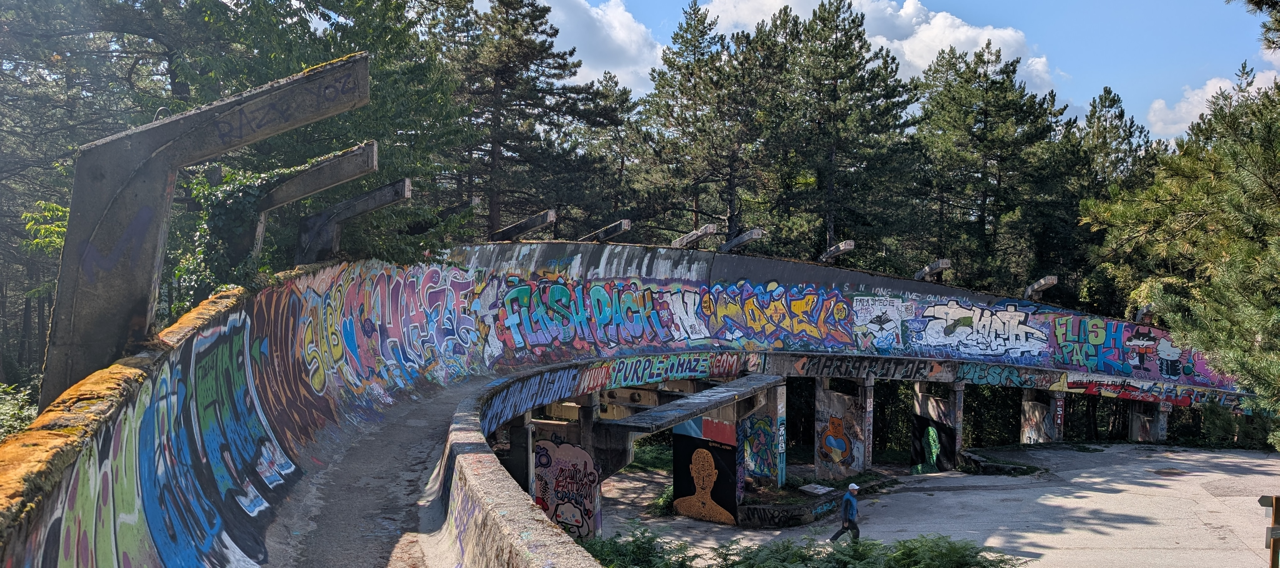
East literally meets west in Sarajevo and it’s such a fascinating place. Detailed Ottoman abuts brutalist Yugoslavian architecture, with modern Western European mixed in. The city has a storied history, it was ground-zero of the war, its streets telling tales of devastating loss and stark resilience, it was the first and only Yugoslavian country to host an Olympics and it was where World War 1 sparked into existence with the assassination of Archduke Franz Ferdinand - we stood in the very spot he died. The highlight of Sarajevo was undoubtedly meeting Fergus and Max on our walking tour, two friends we later met up with London and stayed with in Edinburgh. Walking along the abandoned bobsled track, new friends in tow and with blue skies and the sun shining was such a core memory, a moment where you are reminded that life can be anything you want it to be, and a day I’ll not soon forget. Then again, my memory does get hazy from about 9pm when we got into the Raki shots…
Hannah's Thoughts:
Leaving Kotor, Montenegro we hopped on another Flix bus and arrived at our sixth country Bosnia and Herzegovina, the weather unfortunately was horrendous, we realised we had finally left summer behind and were now staring down the barrel of rain, grey skies and freezing temperatures. Mostar was our first stop and the extent of my knowledge of this place was that it had the famous bridge that Hamish and Andy jumped off in their TV show Gap Year. Apparently 80% of the tourists that jump from the bridge are Australian thanks to them. But it is not for the faint hearted as there has been many injuries and deaths that have occurred from people not doing it correctly.
Whilst entering Mostar I said to Jesse “look at those buildings, it almost looks like they have been sprayed with gunfire and shrapnel”, only to learn about the extremely dark history of Bosnia and Herzegovina. We visited the Genocide Museum which was not at all censored and extremely confronting. Displaying images, memories and stories from survivors and family members of lost ones from a war that was only thirty years ago. To say I didn’t know of this conflict is upsetting. Evidence of this war is everywhere and still weighs heavily on the country and its people creating massive divides. For example, a school is used both by Croatians and Bosnian’s but at different times of the day. Another example is a new theatre that is being built, however only Croatians can use it, no Bosnian people are allowed to use it.
The drastic weather change resulted in me getting sick. A catch in my throat turned to a cough and then a chest infection, which knocked me, I lacked energy and we had to navigate our way through a pharmacy using google translate to get medicine. The thirteen weeks of travel was finally catching up to us. The food here is cheap and delicious, Jesse was basically counting down the minutes to when and where he could get his next chevapi. The coffee is strong too, much like Turkish coffee, however don’t make the mistake of calling it that (we got told off).
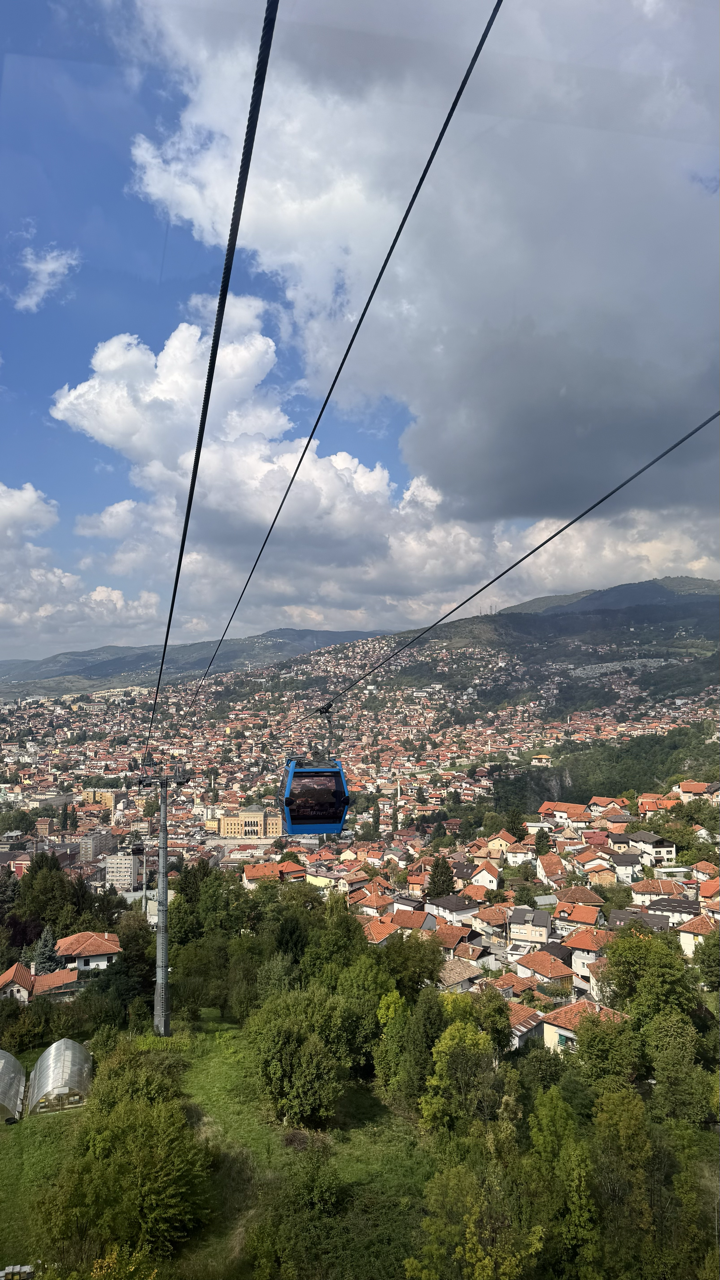
In many of our photos there is a constant third party, an aggravating thorn in our sides, constantly left behind only to trudge back and reclaim it, heavy and always empty, that being my pink metal drink bottle. I decided after the fourth country that I should start collecting stickers for everywhere I’d been, the first one being Albania. Who knew this drink bottle would be such a conversation starter! Like most places we did our usual free walking tour to get a feel for Sarajevo and to understand it a bit better. This tour started like all with awkward, half-awake intro’s, but ended differently. It was a younger group than the others which I’m not sure makes a difference but anyway! We met Fergus and Max, two British lads who didn’t know each other but realised later they were on the same plane. Both struck up a conversation with Jesse and I due to the Albania sticker on my drink bottle. We chatted for the entirety of the tour, not paying too much attention to the guide. After the tour ended we decided to check out some sights together. We took a cable car to the old Olympic arena and bobsled track, merrily chatting about our lives and travels, quickly becoming very well acquainted. Our conversations must have been riveting as it attracted other travellers! Min also from London, and Louison and Tomas from France. We had a crew. We met up for drinks and dinner and managed to acquire one more member somewhere along the way. Our WhatsApp’s group is continuing with constant travel recommendations, do’s and dont’s, updates on where people are and possible meet up plans for the future. A truly special night that left Jesse and I elated and fulfilled having had a social interaction with others instead of each other (I do love him) but thirteen weeks is a long time!
We’re sad to leave our new friends we were leaving the Balkans and heading back to Schengen zone; Zagreb - Croatia.